9+ curated guides • Updated September 2025
You see it nestled between the crossword and the comics—a jumble of letters hiding a witty quote from a famous mind. But what if solving that simple puzzle is about more than just finding the right letters? This daily ritual is a perfect mirror of our modern cultural obsession: the relentless desire to crack the code of celebrity and reveal the authentic person behind the curated brand. It’s not just a pastime; it’s a training ground for the way we consume fame. Every substituted letter we uncover is a micro-dose of the same satisfaction we feel when a paparazzi photo reveals a star's 'real' life, or an off-script interview offers a glimpse behind the PR-approved curtain. We are all, in essence, celebrity cryptographers.
We've been trained to see the sunken cheeks and tired eyes of 'Ozempic face' as a cautionary tale of rapid weight loss. But look closer at the red carpet, and a different story emerges—one where this controversial look isn't a mistake, but a message. In the highest echelons of celebrity, is the gaunt a new form of glam? For decades, the currency of Hollywood status was legible and overt: the gleaming teeth, the sculpted physique, the Birkin on the arm. These were symbols of health, wealth, and tireless effort. Now, a new, more coded aesthetic is taking hold. The very features the media decries—the hollowed temples, the sharpened jawline, the look of perpetual fatigue—are being quietly rebranded. This isn't an unfortunate side effect; it's the emergence of a new aesthetic of austerity chic. It’s a non-verbal broadcast of access, discipline, and, most importantly, a form of bodily control that money alone can't buy—but it's the essential first step.
Your online shopping cart is full of shimmering, of-the-moment accessories, and your finger is hovering over the 'buy' button. Stop. This guide will teach you the one skill that separates savvy collectors from trend victims: how to instantly tell if a trendy accessory is a six-month fling or a future classic you'll wear for years. As a former trend forecaster, I've seen countless micro-trends burn brightly and fade into obscurity, leaving behind a trail of unworn plastic and buyer's remorse. The secret isn't to stop buying trendy accessories online; it's to develop a curator's eye. It's about learning to see past the algorithm-pushed hype and identifying the DNA of an heirloom. This is your masterclass in building an accessory collection that tells a story, holds its value, and transcends the relentless cycle of what's 'in'.
You've scoured the web for the latest 'Young and the Restless' spoilers, hungry to know what's next for the Newmans and Abbotts. But what if the biggest story isn't the spoiler itself, but the reason you're hearing it in the first place? We're pulling back the curtain to reveal how showrunners might be playing chess with your expectations. For decades, we've treated spoilers as simple previews, clandestine glimpses into the future of Genoa City. It's time to reframe that thinking. These tidbits are not passive information; they are active weapons in a narrative arms race. The writers' room isn't just telling a story—it's managing a massive, passionate, and often fickle audience. This article dissects how the spoilers you consume are meticulously crafted tools of influence, designed to test, misdirect, and ultimately, keep you hooked on the drama both on and off the screen.
Look down at a pair of Crocs. You might see a colorful jumble of plastic charms, but a trained eye sees something more: a carefully curated gallery of personal identity. In the world of 'low-brow luxury,' designer Jibbitz have evolved from quirky decorations into a sophisticated code for communicating who you are, what you love, and even your social standing. This phenomenon, which I term 'micro-flexing,' transforms the humble foam clog into a deeply personal and surprisingly potent platform for status signaling. It's a silent language spoken through collaborations with Balenciaga, Salehe Bembury, and Takashi Murakami, where the placement of a single, coveted charm can say more than a head-to-toe logo-covered ensemble. We are witnessing the semiotics of the street level up, where value is measured not in carats, but in curated plastic.
You’ve seen it online and stamped on a beautiful pair of earrings: '925 Gold'. It sounds like the perfect blend of quality and affordability, but this popular marking hides a crucial secret the jewelry industry banks on you not knowing. Before you make your next purchase, let's separate the marketing magic from the material fact. This isn't an article about a new, exciting gold alloy. This is a public service announcement. '925 Gold' is one of the most pervasive and misleading terms in the jewelry world, a clever piece of linguistic sleight-of-hand designed to make you believe you're getting more gold for your money. The reality is far less glittering. We're going to dismantle this term, expose what you're truly buying, and arm you with the knowledge to distinguish between a fleeting trend and a lasting treasure.
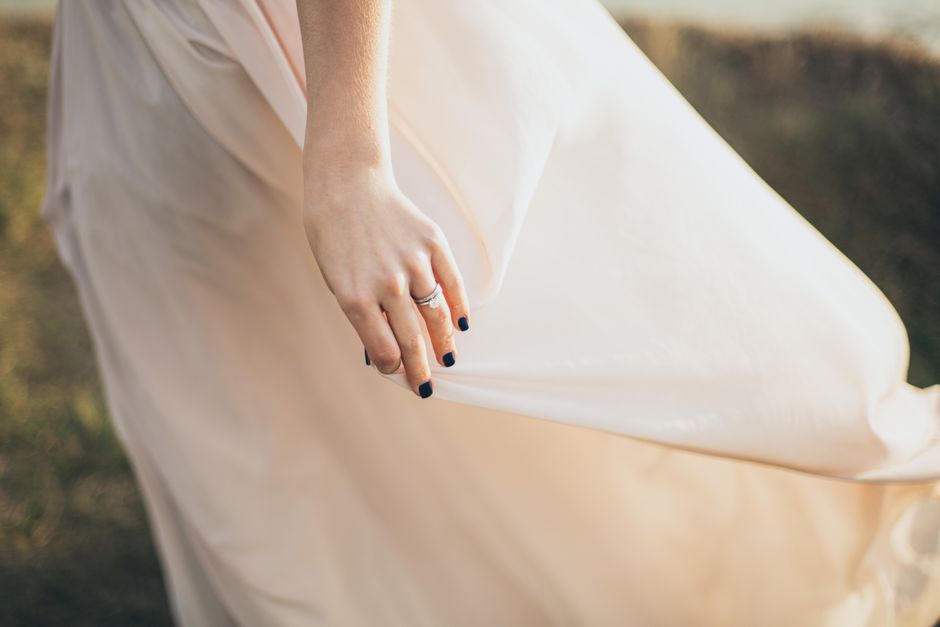
You know the tradition: fourth finger, left hand, a direct line to the heart. But look around. Notice the surgeon who wears their ring on a necklace, the widow who has moved it to her right hand, or the creative who stacks it on their index finger. A wedding ring's placement is more than just a custom; it's a dynamic, personal story told without a single word. This simple metal band has evolved from a static symbol of ownership into a fluid, expressive piece of our personal grammar. As a cultural anthropologist, I've observed that we are in the midst of a fascinating ritualistic shift. We are no longer just wearing rings; we are using them to broadcast nuanced messages about our identity, our professions, and the very nature of our partnerships. This article is your guide to reading this silent language.
Remember 2022? It was the year of the puffy pillow bag, the micro-mini, and the ubiquitous crescent shape. But now that the trend cycle has churned on, we're looking back with a critical eye to see which of those must-have bags were actually worth the investment, and which ones already look dated. Consider this your official report card on the trends that defined the year. We're not here to reminisce; we're here to learn. The goal of this autopsy isn't to mourn the dead trends, but to understand the cause of death so you can build a collection of accessories that will outlive us all. Think of it as forensics for your future wardrobe.
For generations, the value of a pearl was measured by its perfect roundness—a flawless sphere of classic beauty. We're here to tell you that standard is not only outdated, it's uninspired. The most captivating freshwater pearl earrings today are the ones that break the mold, celebrating the unique imperfections that tell a story of natural, untamed elegance. The era of conformity is over. In a world saturated with mass-produced perfection, the true mark of luxury and personal style lies in the pieces that cannot be replicated. These are not your grandmother’s pearls; they are artifacts of nature, sculpted by chance and circumstance, ready to reflect the untamed spirit of the person who wears them.